Airship Disasters
Hindenburg
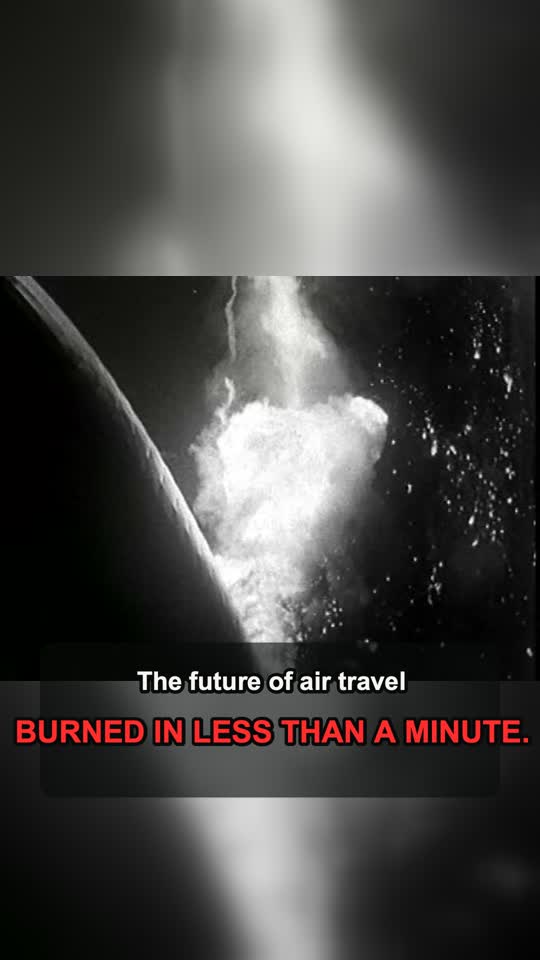
The fire that destroyed a machine, a luxury travel model, and public confidence in less than a minute.
The knowledge that remained
Knowledge that outlived the failure.
- 01
Public trust can collapse faster than a technology can recover.
- 02
When the ignition source is uncertain, the archive must distinguish known facts from disputed causes.
- 03
A single highly visible disaster can end an entire transportation model.
Public confidence collapsed, and the passenger-airship era never recovered. One disaster permanently changed what people believed the future of travel could be.
Timeline
The sequence of failure.
- 01ConditionsMAY 06, 1937
Hindenburg approaches
The world’s largest airship prepares to land at Lakehurst.
- 02FailureLANDING
A fire ignites
Flames appear near the tail; the precise ignition source remains disputed.
- 03FailureUNDER 1 MIN
The structure collapses
Fire consumes the hydrogen-filled airship as it falls to the ground.
- 04InvestigationAFTERMATH
An era ends
Thirty-six people are dead and passenger-airship confidence never recovers.
The event.
The Hindenburg represented a grand vision of passenger air travel: a hydrogen-filled airship carrying people across the Atlantic in luxury.
Thirty-five people aboard and one member of the ground crew died. The images of the burning airship were seen around the world.
The mechanism.
A fire spread rapidly through the hydrogen-filled airship during landing.
On May 6, 1937, a fire ignited near its tail as it approached Lakehurst, New Jersey. The airship was consumed in seconds. The precise ignition source remains disputed.
Sources & references
Trace the evidence.
Media rights record: Castle and Pathé footage released into the public domain through the Prelinger Archives.
Discovery edition
The case in under one minute.
The Short introduces the event. This archive record preserves the mechanism, evidence, and engineering lesson beyond the video.
Editorial derivatives
Editions from this case.
A portable, source-backed edition of the complete case.
The failure sequence formatted for print and classroom display.
Mechanism, consequence, and lesson in one visual system.
Discussion prompts, activities, and a structured answer guide.
The question to remember
Did hydrogen alone cause the Hindenburg disaster?
The exact ignition source remains disputed. What is clear is that the fire spread through the hydrogen-filled airship with devastating speed.